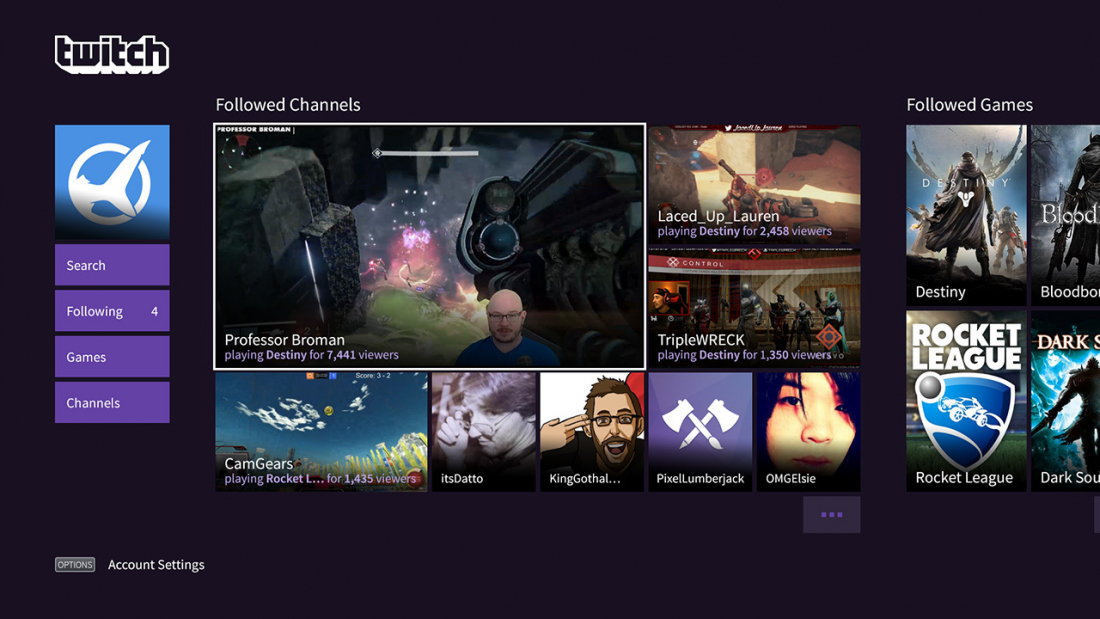
Twitch has transformed the way we engage with real-time media, providing a space where players, creators, and creators can share their passions with audiences worldwide. However, with the fast-paced nature of streaming, it's crucial for viewers and creators alike to find effective ways to record and store this content for future enjoyment. Whether you're a broadcasting player wanting to archive your best moments or a viewer looking to revisit your favorite broadcasts, knowing how to capture, save, and store Twitch streams can enhance your viewing enjoyment significantly.
In this guide, we will explore various methods to record Twitch content across different devices and platforms. From recording live streams and downloading VODs to storing clips and highlights, we will discuss all the information you require about preserving those memorable moments. We will also cover technical aspects like audio and video standards, resolution, and available storage solutions to ensure that your captures are top-notch. With the appropriate tools and methods, you can effectively build a library of Twitch content that you can enjoy whenever you want.
Saving Twitch.tv Broadcasts
Capturing Twitch.tv streams is an crucial process for preserving real-time content for future viewing or distribution. Content creators may want to save their broadcasts to produce highlight reels, interact with their audience anytime, or review their performance. The most effective way to record Twitch broadcasts varies with the system being used, whether it's a PC, tablet, or through web software. Each approach has its own advantages, functionalities, and user experiences that serve both occasional and serious broadcasters.
For those using the Windows operating system, several PC capture software options are available, such as OBS Studio, Streamlabs, and Debut Video Capture. These applications allow users to capture high-definition video and audio with personalized settings that fit personal preferences. Mac users can utilize tools like QuickTime Player or OBS, which also offer high-definition recording. Tweaking the video quality and audio quality settings ensures that the recorded streams preserve the desired audio and video quality for future watching.
Mobile devices also offer solutions for Twitch.tv content recording. Many mobile apps include display capturing features that can record streams directly from the device. Additionally, using a specific mobile Twitch capture app may offer options to store clips or highlight reels. Regardless of the device or software selected, it is crucial to understand the settings and trial the capturing system to ensure consistent and high-quality records of your Twitch.tv broadcasts.
Downloading VODs and Clips
Saving Twitch videos and clips is crucial for content creators and viewers alike who want to keep their beloved moments. To save Twitch VODs, users can take advantage of various third-party applications designed for capturing streaming content. These applications offer intuitive interfaces that allow you to quickly enter the Twitch link of the desired VOD, select the video quality, and start the saving process. Archive all Twitch streams support bulk downloads, enabling you to save multiple clips at the same time, which is a significant time-saver for those with extensive libraries of content.
For clips, saving is often just as simple, especially since Twitch allows streamers to make short highlights of their broadcasts without hassle. There are browser-based applications that can help you extract these clips quickly by entering the clip link. Capture Twitch moments provide multiple download options where you can group your favorite clips into a single file, ensuring your best moments are stored in one organized space for easy access later on.
It is important to consider the legal implications when downloading content from Twitch. While saving and archiving your streams is generally acceptable under fair use guidelines, always ensure you honor the rights of other creators. If you are saving a clip from another streamer, it's recommended to seek permission or provide attribution where necessary. By following these best practices, you can securely store your Twitch content while supporting the community and preserving the integrity of the platform.
Collecting and Managing Your Content
Properly managing and handling your Twitch content is important for safeguarding your streams, video on demand, clips, and featured segments. To start, organizing your files into well-organized directories can help you quickly locate particular content when needed. Consider sorting by dates, content categories (such as streams versus clips), or themes. This makes it simpler to monitor your material and simplifies the post-production process later on, should you want to make compilation videos or compilations.
Automating the downloading and storing process can be time-saving and guarantee that you never lose access to important content. Several tools and applications facilitate mass acquisition of VODs and clips from your Twitch channel, enhancing your content management. When adjusting these tools, pay attention to settings related to sound and video quality, as well as storage options, so you can uphold high standards across all your stored media.
Ultimately, it's crucial to keep legal considerations in mind when managing Twitch content. Familiarize yourself with fair use guidelines and Twitch's own policies regarding captured content. Properly managing your archives also involves considering long-term storage solutions, such as cloud storage services, which can offer additional protection for your files and make them accessible across various platforms. By adopting these strategies, you can guarantee that your Twitch content is not only preserved but also manageable and leverage for future initiatives.
Best Tools for Capture
When it comes to capturing Twitch content effectively, the right tools can make all the difference. Open Broadcaster Software is a top choice option among streamers for its versatility and powerful features. It allows users to record Twitch streams in high quality while providing extensive customization options. With support for various resolutions and bitrates, OBS Studio is ideal for both casual and professional recording setups. Additionally, it is free and open-source, making it accessible to everyone.
For those looking for a more user-friendly solution, Streamlabs Desktop offers a streamlined experience with integrated features specifically designed for Twitch. This tool emphasizes simplicity and is particularly beneficial for newcomers to streaming. It includes built-in alerts, chat integration, and automatic scene transitions, making the process of recording and managing streams much simpler. Streamlabs also allows users to configure settings for different platforms, ensuring compatibility across devices.
If you're interested in browser-based options, websites like Twitch Leecher provide a straightforward way to download VODs and clips without the need for complex software setups. This tool focuses on downloading content with its user-friendly interface and offers options for downloading multiple files for archiving multiple videos at once. However, always remember to consider legalities when using any recording tools, ensuring that your activities align with fair use guidelines and Twitch's terms of service.
Legal Aspects in Documenting
When it comes to recording Twitch broadcasts and alternative content, comprehending the legal environment is important for both the producers and fans. The platform has specific regulations and terms of service that dictate how its content can be used, covering any recorded streams, VODs, or clips. It is important to respect these guidelines to avoid potential copyright infringement or additional legal issues. Ensure that you are permitted to record and use the content, notably if you aim to monetize your recordings.
Fair use is a common legal principle that enables limited use of copyrighted material without needing permission. However, fair use can be open to interpretation and changes depending on factors such as objective, character, amount used, and impact on the market. If you are planning on using Twitch recordings for commentary, evaluation, or instructional goals, it may fall under the fair use guideline. Yet, it is prudent to seek advice from legal resources or legal advisors to assess your specific circumstances to avoid any disputes.
Moreover, think about the confidentiality of other content creators and viewers when recording. Overlooking the confidentiality of persons featured in your recordings can cause legal ramifications. Always obtain permission from streamers ahead of documenting their content, and be mindful of any personal data that could be collected during the live stream. Observing these regulatory aspects can aid in your protection and establish best practices for responsibly handling Twitch content responsibly.